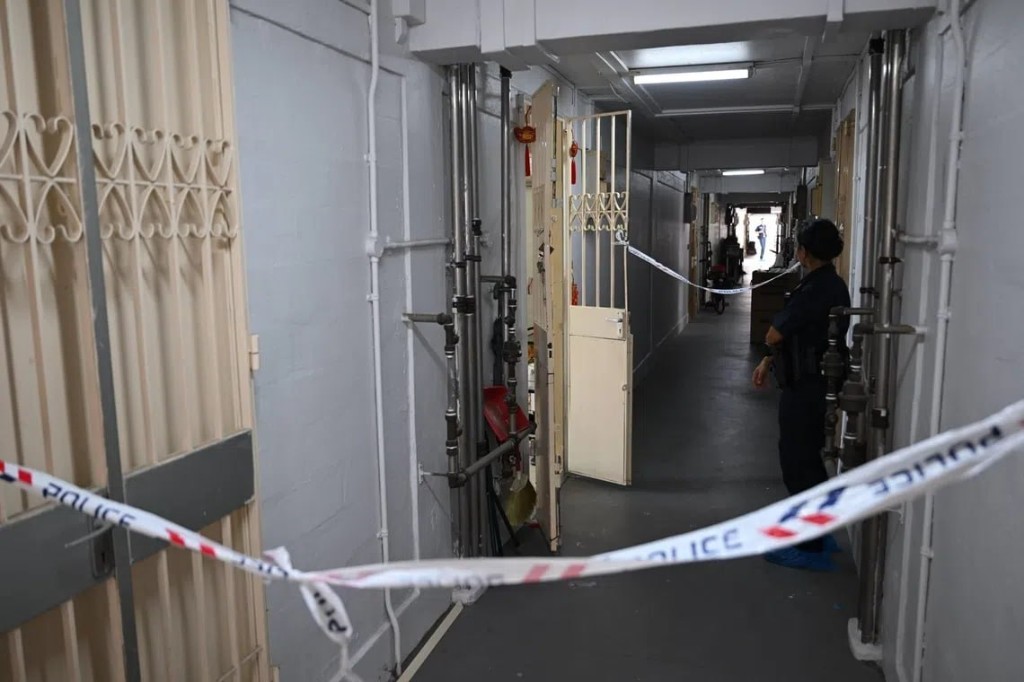
In criminal law practice, incidents involving group disputes and multiple accused persons present distinct procedural and evidentiary challenges. The case arising from an incident at Block 51 Chin Swee Road involving Poh Choon Kiat and Tan Boon Hui provides a clear example of how state prosecutors handle joint charges, common intention, and weapon-related allegations under Singapore law.
Understanding the legal structure behind these proceedings illustrates how the judicial system assesses individual culpability in multi-party conflicts.
Statutory Framework and Joint Liability
When multiple individuals are involved in a fatal altercation, state prosecutors frame charges around shared liability alongside specific acts committed during the dispute.
The primary charge involves Section 300 of the Penal Code 1871 for murder, read alongside Section 34, which governs acts done by several persons in furtherance of a common intention. Under Section 34, if a criminal act is committed by several individuals to fulfill a shared plan, each person can be held liable for the offense as if it were committed by them alone. Under Singapore law, an offense under Section 300 carries capital punishment.
Penal Code 1871 · s 300 read with s 34
Secondary charges and investigative directions often involve additional statutory provisions. Because weapons were recovered at the scene, provisions under the Corrosive and Explosive Substances and Offensive Weapons Act may apply regarding the possession or use of dangerous weapons during a fight.
Corrosive and Explosive Substances and Offensive Weapons Act
Furthermore, where substance involvement is identified during initial inquiries, separate proceedings fall under the Misuse of Drugs Act, handled by specialized agencies such as the Central Narcotics Bureau.
Misuse of Drugs Act · Central Narcotics Bureau
Defense Approaches and Case Management
Defending an individual in a multi-defendant proceeding involving capital charges requires a strategy focused on establishing the exact scope of participation and challenging joint liability.
A primary objective for defense counsel is severing or clarifying the extent of common intention under Section 34. Counsel works to demonstrate that the client did not share a premeditated plan to inflict lethal injuries or possess knowledge that a dangerous weapon would be used by another party during the altercation. Successfully establishing the absence of a common intention to cause death can allow defense teams to seek a reclassification of charges to lesser offenses, such as rioting under Section 146 or causing grievous hurt with dangerous weapons under Section 324.
Penal Code 1871 · s 146 · s 324
Strategic case management also involves reviewing procedural crime scene re-enactments, forensic analyses of recovered weapons, and co-defendant statements. Defense counsel examines physical evidence to determine which specific party inflicted the fatal injury and whether actions taken during the dispute could be framed around statutory exceptions, such as private defense or a sudden fight without premeditation under the Penal Code.
In addition, when secondary drug-related offenses are present, defense strategies address those matters separately, ensuring that administrative or chemical testing procedures adhere strictly to statutory requirements.
Judicial Evaluation in the High Court
Capital cases involving joint charges fall under the jurisdiction of the High Court of Singapore. The court evaluates all evidence without a jury, with decisions rendered solely by a High Court Judge.
High Court · judge alone, no jury
In joint trials, the court rigorously analyzes the admissibility of statements made during police inquiries, forensic findings from the scene, and witness testimony. The judge must determine individual criminal liability beyond a reasonable doubt, ensuring that each defendant is sentenced according to their proven level of intent and participation.
The Role of Legal Counsel and Informed Guidance
Multi-party criminal proceedings underscore the complexity of joint liability doctrines and weapon-related offenses within the legal system. Navigating overlapping charges, co-defendant dynamics, and statutory penalties requires technical expertise.
Securing timely, independent legal representation ensures that an individual's specific role is accurately presented, procedural rights are protected, and a fair assessment is rendered under the law.

| Provision | What it addresses |
|---|---|
| Penal Code 1871 · s 300 with s 34 | Murder read with common intention |
| Corrosive and Explosive Substances and Offensive Weapons Act | Possession or use of dangerous weapons |
| Misuse of Drugs Act | Substance-related proceedings |
| Penal Code 1871 · s 146 | Rioting — possible reclassification |
| Penal Code 1871 · s 324 | Grievous hurt with dangerous weapons |
| High Court | Capital joint trials · judge alone |